

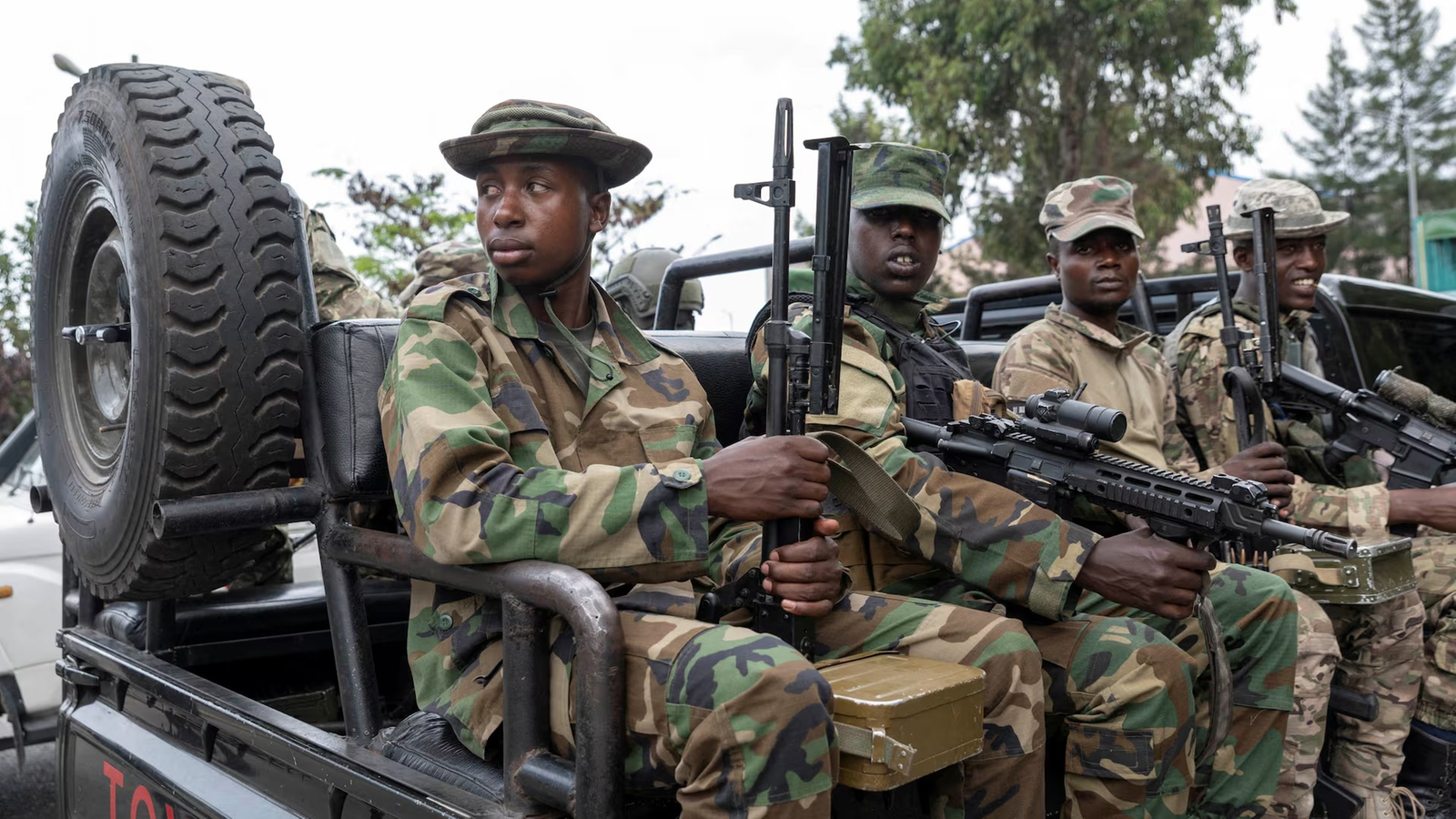
After months of intense diplomatic efforts, Angola has announced that it will cease its mediation role in the ongoing conflict between the Democratic Republic of Congo (DRC) and the M23 rebel group in the eastern regions of the country. This decision marks a significant shift in Angola’s foreign policy and raises questions about the future of peace efforts in the troubled region.
The Angolan government, which had been acting as a mediator in peace talks since late 2024, cited “internal challenges and shifting diplomatic priorities” as reasons for stepping back. President Joao Lourenço’s office confirmed that Angola will no longer play an active role in facilitating discussions between the DRC government and the M23 rebels, though it reiterated its commitment to regional peace and stability.
A Complex Situation in Eastern Congo
The conflict in eastern Congo, particularly in the North Kivu province, has been ongoing for over two decades, with various armed groups vying for control of valuable resources and territory. The M23 rebel group, which emerged in 2012, has gained significant ground in recent months, capturing key strategic positions. Despite previous peace deals, the region remains unstable, with civilian casualties and displacement continuing to rise.
Angola’s mediation efforts had been seen as a hopeful sign for peace, especially given the country’s diplomatic relationships with both the Congolese government and regional actors like Rwanda. However, the mediation process faced several challenges, including mistrust between the conflicting parties, the complex role of neighboring countries, and the lack of concrete progress on the ground.
Reasons for Angola’s Withdrawal
According to sources within the Angolan government, the decision to end its mediation efforts stems from a combination of factors, including the failure of talks to produce significant breakthroughs and the increasing strain on Angola’s own resources. “We have invested considerable time and energy into these peace efforts, but it has become clear that a new approach is needed,” said Angolan Foreign Minister Téte António. “We believe that the next step must involve a fresh mediator with the ability to bring new ideas to the table.”
Angola’s withdrawal from the peace process has raised concerns about the future of negotiations. The DRC government, which had been under pressure to make concessions, expressed disappointment at Angola’s decision but stated that it remained committed to seeking peace. “We will continue to pursue dialogue with all stakeholders, but we are aware of the challenges that lie ahead,” said a spokesperson for the Congolese presidency.
The Road Ahead for Peace in Eastern Congo
With Angola stepping back, the future of the peace process now lies in the hands of other African nations and international bodies. The African Union (AU) has already expressed interest in taking on a larger role in the mediation efforts, while the United Nations has emphasized the importance of renewed diplomatic engagement.
However, the situation remains complex, with no clear path to resolution. Analysts suggest that regional powers, including Rwanda, Uganda, and Burundi, may need to play a more active role in bringing both the Congolese government and the M23 rebels to the negotiating table.
The withdrawal of Angola as a mediator is a setback, but it also opens the door for new diplomatic initiatives. As peace efforts continue to face significant hurdles, the people of eastern Congo – many of whom have endured years of violence and displacement—will continue to hope for an end to the fighting and a lasting peace agreement.

