

Imagine one name sparking a religious revolution in 16th-century Europe, igniting a nonviolent fight for equality in 20th-century America, and now powering a 16-year-old’s media empire and civic crusades in 21st-century Kampala. That name is Martin Luther — and its story stretches across continents and centuries, showing how courage, communication, and community service can reshape the world in surprising ways.
Here are the three remarkable figures who carry it, each leaving a unique mark on the communities they touched — and how their combined legacy keeps evolving today.
1. Martin Luther (1483–1546): The Spark That Lit the Protestant Reformation
In a time when the Catholic Church held immense power, a German monk dared to question it. Martin Luther, an Augustinian friar and professor, grew outraged by practices like the sale of indulgences (essentially, paying for forgiveness). On October 31, 1517, he posted his famous Ninety-five Theses, calling for debate. That single act exploded into the Protestant Reformation, splitting Western Christianity and forever changing Europe.
Luther’s biggest gift to ordinary people? He translated the Bible into everyday German so everyone not just priests could read it. This boosted literacy, strengthened the German language, and introduced the revolutionary idea of the “priesthood of all believers”: you don’t need intermediaries to connect with God. He also wrote powerful hymns like “A Mighty Fortress Is Our God,” turning worship into something congregations actively joined.
His ideas influenced education, religious freedom, and even modern concepts of individualism. Today, hundreds of millions belong to Lutheran or Protestant churches worldwide. But Luther was human: his later antisemitic writings are a painful stain that modern Lutheran churches have openly condemned and distanced themselves from.
Legacy takeaway: One person’s bold stand against corruption can empower entire generations.
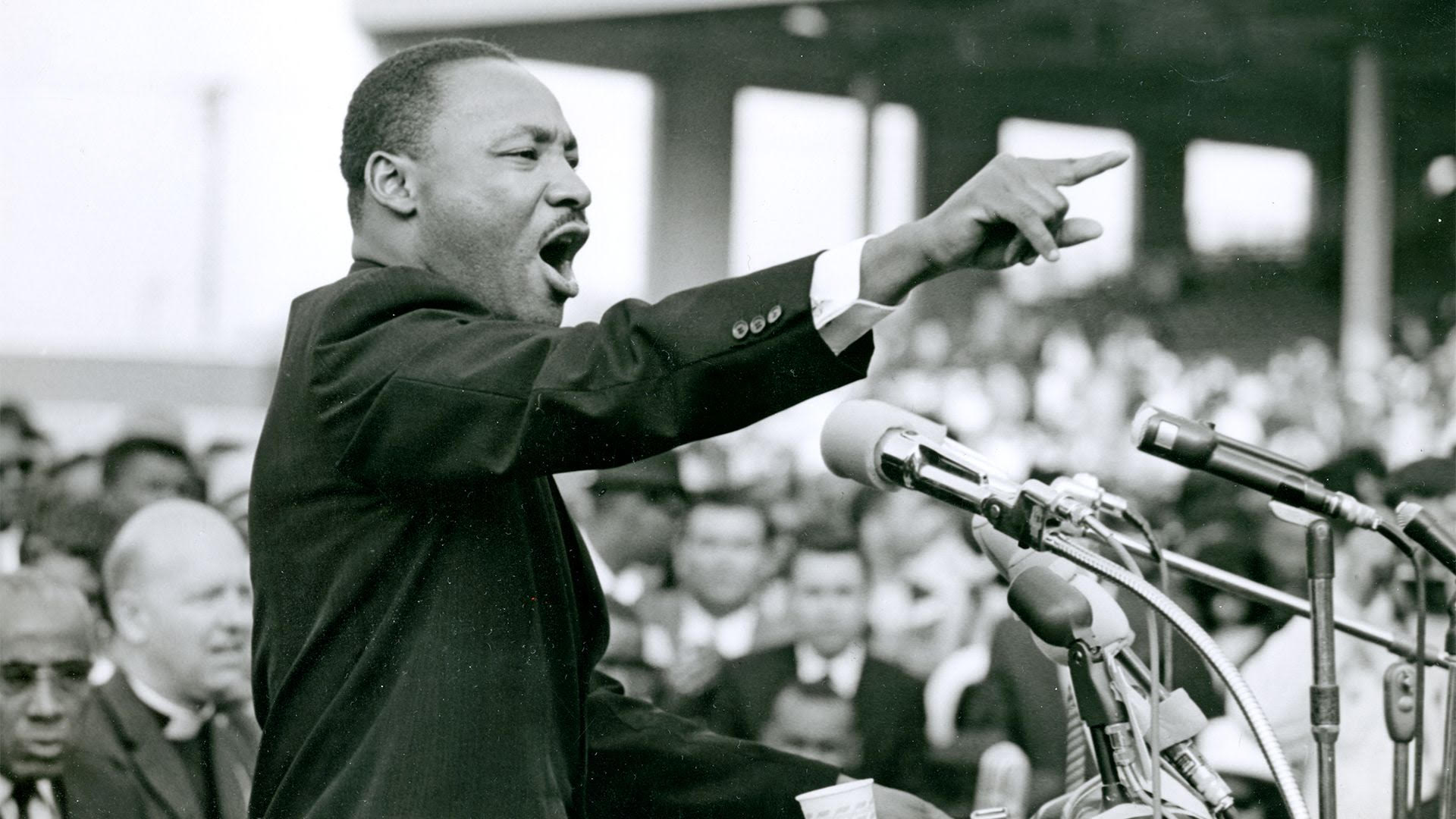
2. Martin Luther King Jr. (1929–1968): The Voice of Nonviolent Justice
The name “Martin Luther” entered the American civil rights story deliberately. In 1934, Rev. Michael King Sr. visited Germany, stood at Reformation sites, and was so inspired by the reformer’s courage that he renamed himself — and his young son Martin Luther King.
The younger King became the moral heartbeat of the Civil Rights Movement. A gifted Baptist pastor, he led the Montgomery Bus Boycott after Rosa Parks’ arrest, delivered the unforgettable “I Have a Dream” speech at the 1963 March on Washington, and used nonviolent resistance rooted in Christian love and Gandhi’s principles to confront segregation.
His efforts helped pass the landmark Civil Rights Act of 1964 and Voting Rights Act of 1965, dismantling legal barriers for Black Americans. He later broadened his fight to include poverty and opposition to the Vietnam War. Awarded the Nobel Peace Prize at just 35, King showed the world that moral courage and peaceful protest could bend the arc of history toward justice.
His influence crossed oceans: African independence leaders drew inspiration from him, and his dream continues to fuel movements for equality everywhere. While some modern discussions highlight how his more radical calls for economic justice are sometimes overlooked, his core message of dignity, love, and equality remains timeless.
Legacy takeaway: Faith and moral clarity can mobilize millions and change laws.
3. Martin Luther Nyanzi (born 2009): Uganda’s Teenage Media Entrepreneur and Youth Advocate
Fast-forward to today in Kampala, Uganda, where the name lives on in a dynamic 16-year-old who is rewriting what youthful ambition looks like.
Martin Luther Nyanzi, born December 5, 2009, in Nsangi Hospital to parents Joan Vumilia and Ssekaayi Simon, grew up with siblings Nakaayi Dorcus and Nabagulanyi Patricia. His early life wasn’t easy family separation, simple meals of posho and beans, and changing schools (St. Anne Junior, Upendo Christian, God’s Hands Junior, MK International in Busega). Yet he finished primary with a strong 13 aggregates in PLE and now attends Kisozi High School in Buddo, Wakiso District.
At an age when most teens focus on exams, Nyanzi founded Apex Media Services, building a multimedia presence that includes Block FM 103.2, Homeboyz Radio Uganda, and other platforms. Known also as Deejay Blockboy, he creates content, promotes music, acts, and gives young Ugandans a voice through radio and digital broadcasting. His ventures create jobs, spotlight local talent, and expand access to information and entertainment in a fast-growing media scene.
But Nyanzi doesn’t stop at business. He’s a passionate advocate who has petitioned Uganda’s Parliament on real issues:
– Pushing for state financing of community-based organizations (CBOs) and local NGOs so grassroots groups can better serve communities where government reach is limited.
– After the shocking April 2026 killing of four toddlers at a Ggaba nursery school, he publicly called for stronger capital punishment laws — sparking heated national debate on justice and child protection.
– He has also questioned aspects of copyright laws and their effect on emerging artists.
Through Apex Digital Skills (launched in early 2025), he trains youths in digital literacy, content creation, and entrepreneurship already impacting over 150 young people and appeals to business leaders and government for support to scale it nationwide. His Block Foundation focuses on education, healthcare, and community upliftment.
In a country where youth make up a huge part of the population, Nyanzi proves that reform can come from a school desk and a microphone, not just a pulpit or protest march.
Legacy takeaway: In the digital age, entrepreneurship and civic engagement are powerful new tools for community change.
What Ties the Three Martin Luthers Together and How the Legacy Is Changing
Despite vast differences in era and context, all three share striking traits:
– **Courage to challenge the status quo whether corrupt church practices, racial injustice, or barriers to youth opportunity and justice.
-Mastery of communication — Luther’s pamphlets and Bible translation, King’s soaring sermons, Nyanzi’s radio stations and petitions.
– Focus on empowering ordinary people— making faith accessible, affirming human dignity, or building digital skills and media platforms for the next generation.
Their impacts have rippled outward: the first transformed religion and literacy across Europe (and eventually influenced African Christianity). The second advanced equality in America while inspiring global movements, including anti-colonial and anti-apartheid struggles in Africa. The third is actively shaping Uganda’s media, youth empowerment, and public discourse right now — right in Kampala.
Legacies are never frozen in time. Modern Lutherans confront the reformer’s flaws while celebrating religious freedom. Discussions around King increasingly highlight his fuller vision beyond the “Dream” speech. And Nyanzi’s story still unfolding shows the legacy adapting to Africa’s youthful, digital reality: blending entrepreneurship with advocacy, sparking debates on justice and policy, and proving that teenagers can drive real conversations.
In Uganda and across Africa, where Protestant churches already blend Reformation roots with local realities, this combined heritage encourages education, service, moral reform, and bold action against corruption or injustice.
The three Martin Luthers remind us that history doesn’t just happen it’s made by individuals willing to speak up, create, and serve. From 1517 theses on a church door, to 1963 dreams on the National Mall, to 2026 petitions and radio waves in Kampala, the spirit of reform continues.
What will the next chapter look like? Perhaps it’s already being written by young voices like Nyanzi’s
and by all of us who choose courage and community over complacency.
Which of these stories resonates most with you and how can we carry forward that spirit of bold, positive change today?

