

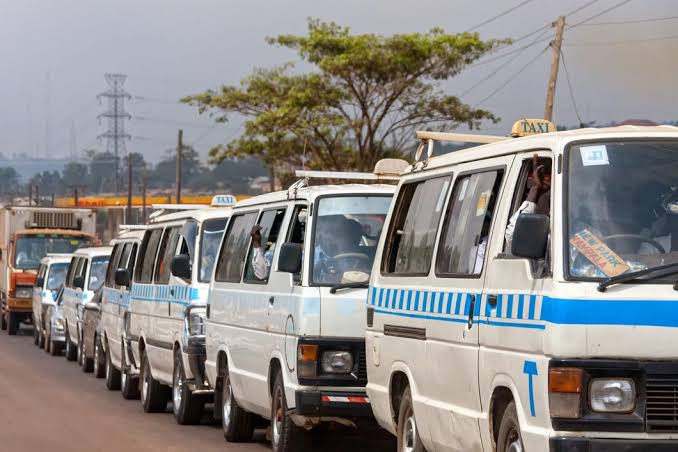
Kampala, Uganda — May 14, 2025
In a significant policy shift aimed at modernizing Uganda’s public transport system, the government has announced that all Public Service Vehicle (PSV) operations — including taxis and buses — will now be managed exclusively through organized associations or Savings and Credit Cooperative Organizations (SACCOS). This move effectively phases out individual PSV operators across the country.
The directive, which takes immediate effect, is part of a broader initiative to streamline and professionalize the transport sector, with particular focus on urban centres such as Kampala, as well as major upcountry towns.
According to officials from the Ministry of Works and Transport, the reform is intended to curb operational chaos, improve compliance with traffic regulations, and enhance revenue collection from the sector. By requiring all PSV operators to work under formally registered entities, the government hopes to foster accountability, safety, and service efficiency.
“This is not about eliminating jobs,” a ministry spokesperson clarified. “It is about creating a more organized, secure, and sustainable public transport system that serves the needs of Ugandans better.”
Under the new framework, all taxi and bus drivers will be required to affiliate with registered SACCOS or associations, which will be responsible for licensing, route management, fare regulation, and dispute resolution. The associations will also liaise directly with government bodies, including Kampala Capital City Authority (KCCA), Uganda Revenue Authority (URA), and Uganda Police, to ensure smooth coordination and enforcement.
For years, public transport in Uganda — particularly in Kampala — has been marked by disorganization, overlapping routes, and conflicts among drivers. Government officials believe that this restructuring will help reduce traffic congestion, eliminate illegal operators, and bring long-term benefits to passengers through improved reliability and safety.
The announcement has elicited mixed reactions from stakeholders. Some operators have welcomed the move, saying it will help restore order in the industry. Others, especially individual drivers who have operated independently for years, have expressed concern over potential loss of income and the possibility of being sidelined by larger, better-funded associations.
In response, the Ministry has pledged to work closely with affected operators during the transition, encouraging them to join or form compliant SACCOS in order to continue working legally.
The policy shift comes as part of a broader national transport modernization strategy that includes digitized fare collection systems, route rationalization, and the eventual introduction of a Bus Rapid Transit (BRT) system in Kampala.
“We are building a transport system for the future,” the ministry added. “Order, efficiency, and safety must be at the heart of it.”

