

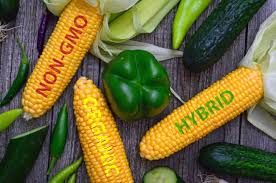
Kenyan farmers are grappling with an unfolding agricultural drama as organic seeds increasingly face vilification, with some stakeholders labeling them “fake” to favor genetically modified organisms (GMOs). This controversy has sparked widespread debate over the future of farming in a country heavily reliant on agriculture for its economic backbone.
Organic Seeds Under Siege
For decades, Kenyan farmers have relied on organic seeds—naturally bred and free of genetic alteration. These seeds have been cherished for their adaptability to local climatic conditions, cost-effectiveness, and alignment with traditional farming practices. However, as Kenya embraces GMOs to tackle food insecurity, organic seeds are being pushed to the sidelines.
Farmers report that some agricultural extension officers and private seed companies are discrediting organic seeds, labeling them “inefficient” or outright “fake.” This shift, critics argue, is part of a coordinated campaign to promote GMO adoption under the guise of modernizing agriculture.
Rise of GMOs in Kenya
In 2022, Kenya lifted a 10-year ban on GMOs, citing the need to address prolonged droughts and declining yields. GMO seeds, engineered to resist pests and tolerate harsh conditions, have since gained momentum. Their proponents, including multinational biotech firms, argue that GMOs are the answer to feeding Kenya’s growing population.
Yet, this transition is not without contention. Farmers, environmentalists, and consumer rights advocates fear the long-term implications of GMOs, from soil degradation to dependency on foreign seed suppliers.
Farmers Speak Out
“Organic seeds have served us well for generations,” laments Sarah Wanjiku, a farmer from Kirinyaga County. “But now, we are told they are fake because they don’t have certification from big companies. What does that mean for our heritage and sovereignty?”
Others express frustration at the costs associated with GMOs. “We cannot afford the repeated purchase of GMO seeds each planting season,” says John Ochieng, a maize farmer in Kisumu. “With organic seeds, we save part of our harvest for the next season.”
The Role of Certification
Critics argue that the certification process favors larger corporations that dominate the GMO market, sidelining local seed breeders and organic seed advocates. Small-scale farmers often lack the resources to navigate stringent certification requirements, leaving them at a disadvantage in a market increasingly skewed toward GMOs.
A Call for Balance
Environmentalists warn of the potential erosion of Kenya’s agricultural biodiversity. “Over-reliance on GMOs could homogenize our crops, making them vulnerable to diseases or pests that could wipe out entire harvests,” says Dr. Mary Nduta, an agronomist and advocate for sustainable farming.
Consumer groups are calling for policies that promote coexistence between GMOs and organic farming, ensuring farmers retain the freedom to choose what they grow. Transparency in labeling and education about both seed types are among their key demands.
A Turning Point for Kenyan Agriculture
As the battle over seeds rages on, the stakes are higher than ever for Kenya’s food security, environmental sustainability, and farmers’ livelihoods. Whether the nation can strike a balance between technological advancement and the preservation of traditional practices will determine the future of its agricultural sector.
The seeds of this debate are firmly planted, but only time will tell which will grow to define Kenya’s farming legacy.

