

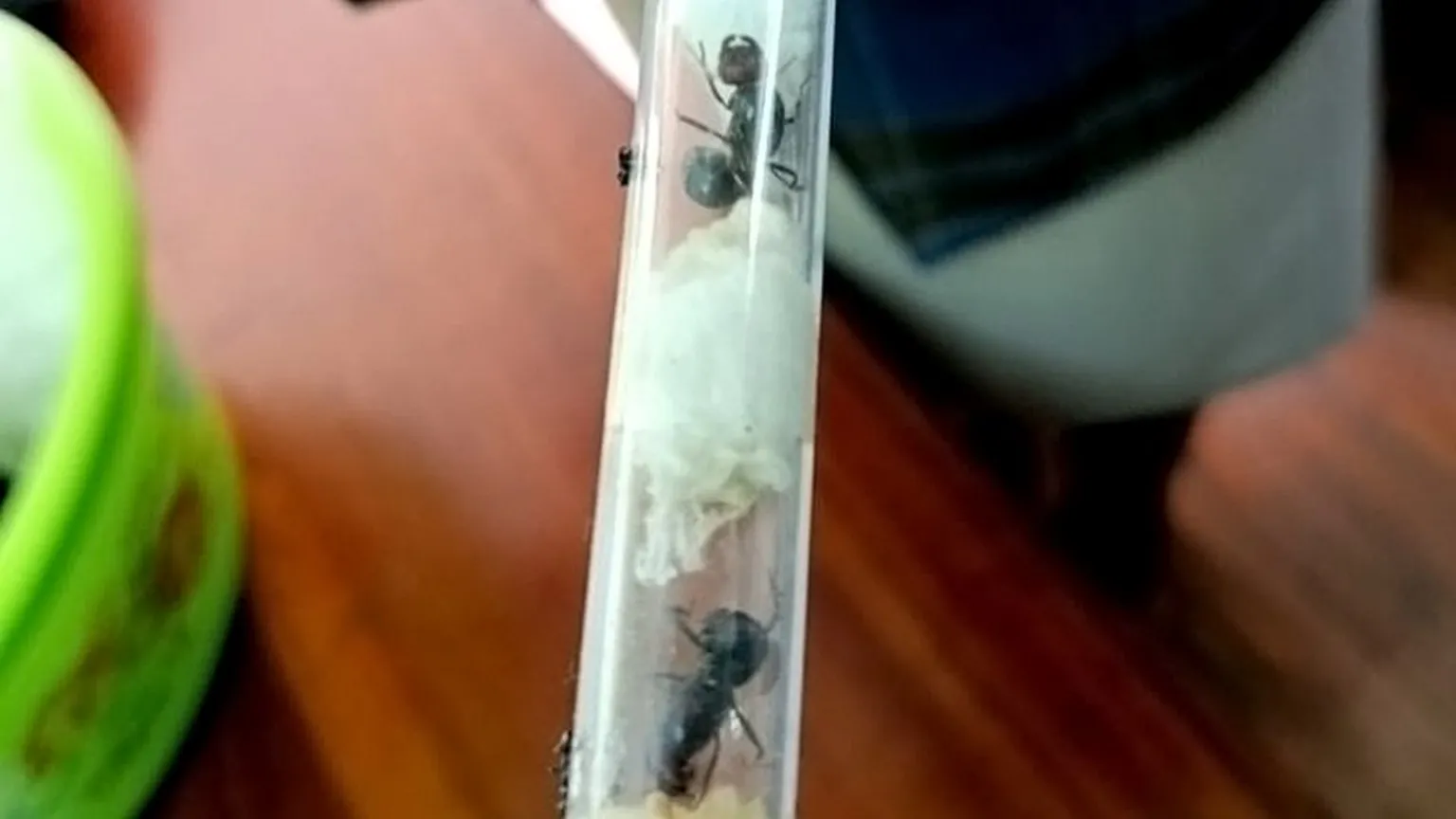
Kenya Wildlife Authorities (KWA) have intercepted an illegal smuggling operation involving approximately 5,000 live queen ants, marking one of the most unusual but significant wildlife trafficking busts in recent memory. Four suspects—including two Belgian teenagers, a Vietnamese national, and one Kenyan—were arrested in connection with the operation.
According to reports from the Kenya Wildlife Service (KWS) and wildlife crime investigators, the suspects had targeted Messor cephalotes, a species of large black ants native to Africa, known for their unique colony structures and appeal in exotic insect-keeping communities abroad. The suspects had packed the queen ants in over 2,200 custom-made test tubes and syringes, carefully designed to avoid detection at airport checkpoints and to sustain the ants during long flights.
“This is a clear signal that wildlife trafficking is diversifying,” said Dr. Jane Gathoni, a conservation expert at WildlifeDirect, a Nairobi-based NGO. “It’s no longer just about ivory or rhino horn. Even insects are at risk when demand for exotic pets grows unchecked.”
The Belgian teens, identified as David Lornoy and Seppe Lodewijckx, were apprehended in Naivasha after being found with the concealed ants. Dennis Ng’ang’a, a Kenyan national who allegedly sourced the ants, and Duh Hung Nguyen, believed to be a trafficker from Vietnam, were arrested separately in Nairobi. The suspects are now awaiting sentencing, having pleaded guilty to charges of wildlife trafficking and illegal possession of protected species under Kenya’s Wildlife Conservation and Management Act.
The intercepted ants were bound for buyers in Europe and Asia, where ant-keeping has become an emerging hobby among young collectors. Some species of queen ants—especially rare ones like Messor cephalotes—can fetch up to £99.99 each on black market forums and private collectors’ platforms. Based on this valuation, the total shipment could have earned traffickers more than £6,000.
“This is a disturbing new frontier,” remarked Joseph Musyoka, KWS Head of Investigations. “Smuggling ants may sound strange, but it’s illegal, harmful to biodiversity, and contributes to the spread of invasive species if these insects are introduced to non-native ecosystems.”
Experts say the ecological risks of smuggling live insects are profound. The accidental introduction of non-native ant species to other countries can destabilize ecosystems, outcompete local species, and become agricultural pests. Past cases involving exotic insects have led to major infestations and environmental control challenges, costing governments millions in damage and eradication efforts.
This incident comes amid growing concerns over Kenya’s role as a transit point for exotic wildlife trade. Despite strict laws and increased enforcement, traffickers continue to innovate in how they conceal and export wildlife—including reptiles, birds, insects, and marine species.
The court will deliver sentencing on April 23, 2025. Conservationists hope the punishment will serve as a deterrent and spark a wider conversation about regulating the exotic pet trade globally.

