

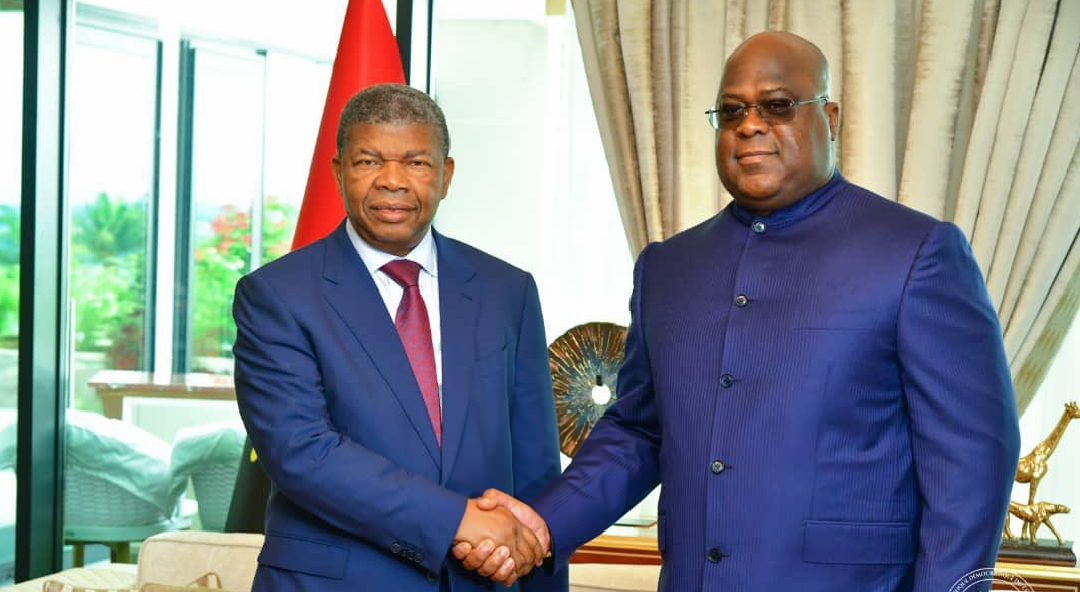
Angola has agreed to mediate peace talks between the government of the Democratic Republic of Congo (DRC) and the M23 rebel group. The decision comes as eastern Congo remains a hotbed of conflict, with the M23 forces intensifying their control over key territories in North Kivu province.
The Angolan government announced that it will use its position as a neutral party to bring both sides to the negotiating table. This move follows months of escalating violence and stalled diplomatic efforts, prompting concerns from international organizations and regional governments. Angola, with its long-standing influence in Central Africa and experience in peacekeeping efforts, has been seen as a potential key player in resolving the conflict.
A Growing Humanitarian Crisis
The situation in eastern Congo has been dire for years, but the recent flare-up in violence between the Congolese military and M23 forces has intensified the humanitarian crisis. Thousands of civilians have been displaced, with many fleeing to neighboring Uganda and Rwanda, while others seek refuge in internally displaced persons (IDP) camps. Despite various ceasefires and peace agreements over the years, the region has continued to experience unrest, primarily due to the influence of armed groups like M23, which has been accused of receiving support from Rwanda – a claim that both Rwanda and the group deny.
The peace talks, which Angola hopes to host in the coming weeks, are expected to focus on a ceasefire, the disarmament of the M23 fighters, and the establishment of long-term security measures to prevent future escalations. The Angolan government has stated that the goal of these talks is not only to end the immediate violence but to establish a framework for lasting peace and stability in the region.
Angola’s Role in Central African Diplomacy
Angola has historically been a key player in African diplomacy, especially in Central Africa, where it has been involved in peace efforts in places like the Central African Republic and Guinea-Bissau. The country’s president, Joao Lourenço, has emphasized Angola’s commitment to regional stability and has voiced concerns over the ongoing violence in the DRC.
In an official statement, President Lourenço highlighted the importance of dialogue in resolving conflicts. “We are committed to helping our brothers and sisters in the DRC. Peace can only come through negotiation, and Angola will continue to play a constructive role in ensuring that all voices are heard,” he said.
International Community’s Expectations
The international community, including the United Nations and the African Union, has welcomed Angola’s intervention, expressing cautious optimism that this new round of talks could yield a more lasting solution. However, many remain skeptical due to the historical challenges in reaching a comprehensive peace deal.
The United Nations Refugee Agency (UNHCR) has called on all parties to respect human rights and to prioritize the safety of civilians during the negotiations. “We support any initiative that can lead to peace in the region, but we stress the need for immediate action to alleviate the suffering of those displaced by the conflict,” said UNHCR spokesperson Filippo Grandi.
As Angola prepares to host the peace talks, all eyes will be on the negotiations, with many hoping that this new diplomatic effort will pave the way for lasting peace in the DRC.

