

Agricultural experts are raising alarms over the escalating threat of Invasive Alien Species (IAS) in Eastern Africa, which are causing significant ecological and economic harm. Research by CABI estimates annual losses between $0.9 billion and $1.1 billion due to these species.
In response, regional experts and policymakers have convened in Kampala for a high-level workshop aimed at coordinating efforts to combat this growing crisis. Dr. Asea Godfrey, a scientist from the National Agricultural Research Organisation (NARO), highlighted the severity of the issue, stating, “Uganda’s ecosystems are under severe pressure due to invasive species. These organisms displace native biodiversity, alter habitats, and disrupt food production systems.”
The economic impact of IAS is substantial, affecting agriculture, forestry, and wildlife. Notable invasive species in Uganda include the water hyacinth, fall armyworm, and Parthenium hysterophorus, all of which have led to widespread crop losses and ecological imbalances.
Dr. Kasifa Katono, a Senior Entomologist at NARO, discussed ongoing research initiatives to manage these invasive species. She noted efforts to control the spread of Parthenium hysterophorus, also known as Congress weed, through biological control methods and community engagement.
Stakeholders at the workshop are deliberating on practical solutions, including early detection systems, biological control methods, and policy reforms. Dr. Antonio Querido, the FAO Country Representative, emphasized the importance of community involvement and robust enforcement mechanisms. He stated, “We need to insist on more resources for research and development, while also empowering communities to recognize and report invasive species.”
Uganda’s State Minister for Agriculture, Fred Bwino, underscored the necessity for collaborative action at both national and regional levels. He revealed plans to form a task force dedicated to assessing the situation and developing effective solutions.
Experts also highlighted the need for increased funding to manage IAS effectively. Dr. Querido announced that the FAO has allocated $1.5 million for an initial phase targeting two major invasive species—Golden Dodder and Parthenium. He stressed that regional coordination is essential, stating, “If Uganda acts alone but neighboring countries do not, our efforts will be futile.”
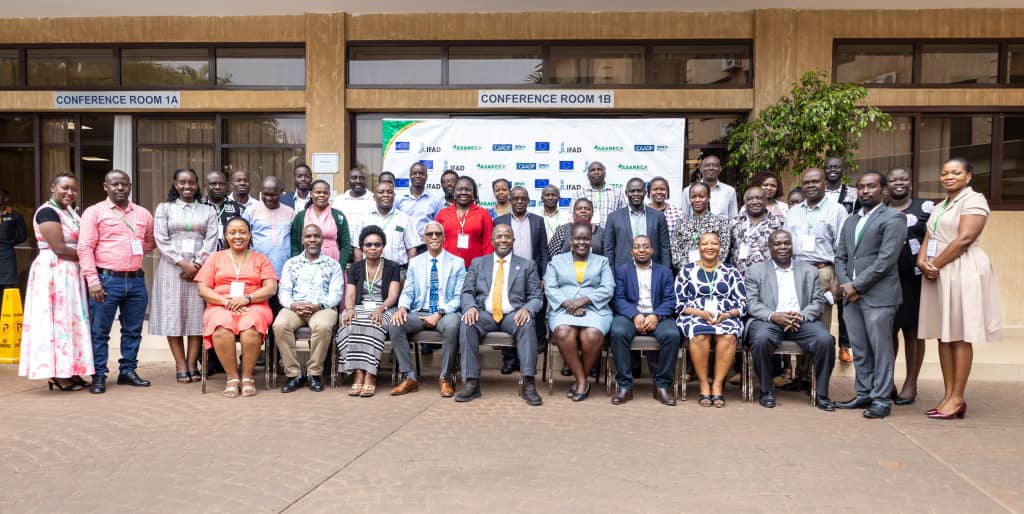
The five-day workshop, led by the Association for Strengthening Agricultural Research in Eastern and Central Africa (ASARECA), aims to develop a joint multi-stakeholder action plan. This plan will encompass policy reforms, awareness campaigns, and investment in research-driven interventions to address the IAS threat effectively.

