

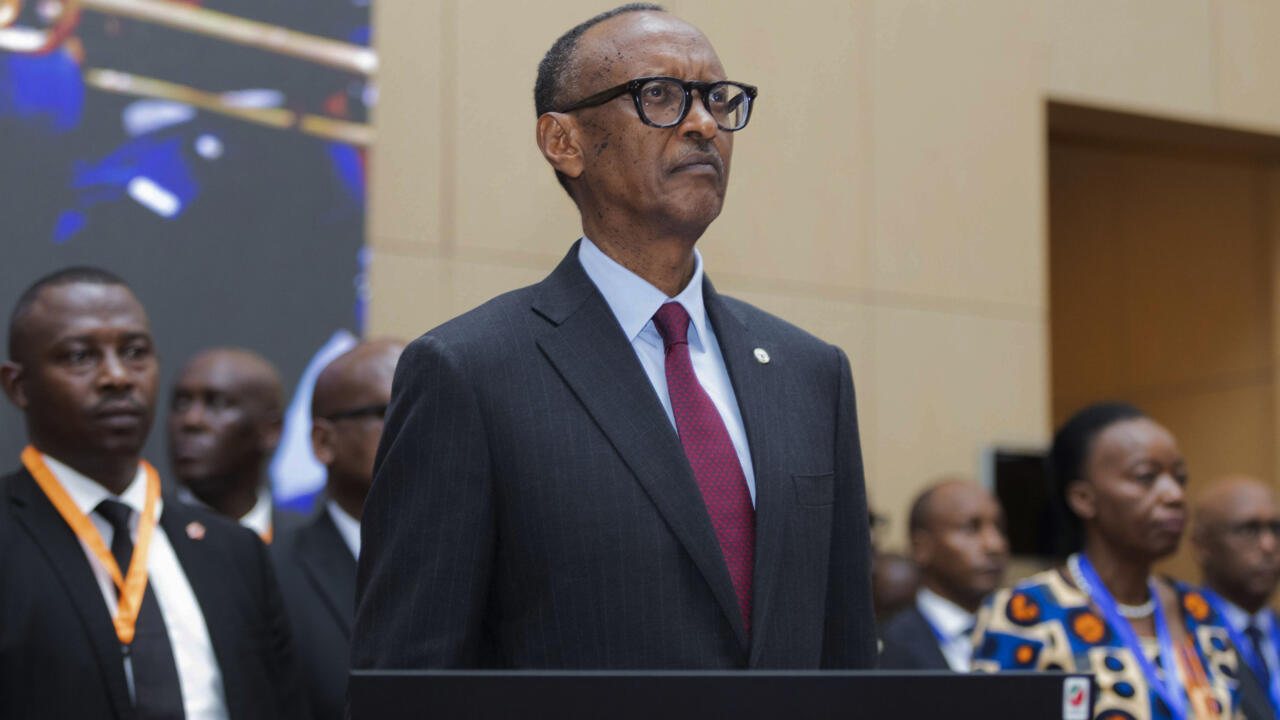
In a significant diplomatic move, Canada has suspended all trade and business cooperation with Rwanda, citing concerns over Rwanda’s alleged support for the M23 rebel group in the ongoing conflict in the eastern Democratic Republic of Congo (DRC). The decision, announced on March 3, 2025, marks a major shift in Canada’s relations with Rwanda and aligns with similar actions taken by other Western nations.
Canada’s Measures Against Rwanda
The Canadian government outlined several key measures in response to Rwanda’s alleged involvement in the DRC conflict:
- Suspension of Export Permits – Canada has halted the issuance of permits for controlled goods and technologies to Rwanda. This includes military and dual-use items that could potentially be used in conflict situations.
- Freeze on Trade Missions – All government-to-government business and trade missions with Rwanda have been put on hold until further notice.
- Review of Event Participation – Canada is reassessing its participation in international events hosted by Rwanda, including trade fairs and diplomatic summits.
This move places Rwanda under increased international pressure, as Canada joins the European Union and the United Kingdom in suspending economic and diplomatic engagements over concerns regarding the escalating crisis in the DRC.
Rwanda’s Response: A “Shameful” Decision
The Rwandan government has strongly condemned Canada’s decision, calling it “shameful and unjustified.” Rwanda insists that it has no direct involvement in the DRC conflict and accuses the international community of unfairly targeting the country.
According to the Rwandan Ministry of Foreign Affairs, the move will do little to address the root causes of the conflict and instead risks destabilizing the region further. Rwanda argues that it has consistently worked towards peace in the Great Lakes region and has called for a diplomatic resolution to tensions between Kigali and Kinshasa.
Background of the Conflict in Eastern DRC
The eastern part of the DRC has been plagued by armed conflicts for decades, primarily fueled by ethnic tensions and competition for control over the region’s vast mineral resources, including gold, coltan, and diamonds. The M23 rebel group, accused of receiving support from Rwanda, has been one of the key players in recent escalations.
The group, formed by former members of the Congolese army, claims to be fighting against corruption and ethnic discrimination within the DRC government. However, its resurgence in 2022 has led to renewed violence, mass displacement of civilians, and widespread human rights abuses.
The United Nations, alongside several Western governments, has repeatedly accused Rwanda of backing M23—a claim that Kigali has consistently denied.
Global and Regional Implications – Impact on Uganda and the Great Lakes Region
As a key player in regional politics, Uganda is monitoring the situation closely. Uganda shares borders with both Rwanda and the DRC and has economic and security interests at stake. Uganda has previously acted as a mediator in regional conflicts, and the growing rift between Rwanda and Western nations could impact diplomatic engagements within the East African Community (EAC).
Additionally, Uganda, which has its own trade and security arrangements with both Rwanda and the DRC, may face economic disruptions if further sanctions or regional instability persist.
Effect on Rwanda’s Economy
Rwanda has positioned itself as a regional economic hub, attracting foreign investment through its business-friendly policies and hosting major international events. However, with increasing scrutiny from Western nations, the suspension of trade and business cooperation with Canada could set a precedent for other nations to follow, potentially harming Rwanda’s economic growth and diplomatic standing.
The Role of the African Union and Diplomatic Efforts
The African Union (AU) and regional bodies, including the East African Community (EAC), have been calling for de-escalation of the conflict through diplomatic means. Peace talks have been held in Angola and Kenya, but little progress has been made in ending hostilities between the DRC government and the M23 rebels.
The AU has urged both the DRC and Rwanda to engage in constructive dialogue to prevent further instability in the region. As international pressure mounts, it remains to be seen whether diplomatic efforts will lead to a resolution or whether tensions will continue to rise.
Canada’s decision to suspend trade cooperation with Rwanda underscores growing international frustration over Kigali’s alleged involvement in the DRC conflict. While Rwanda maintains its innocence, the move could have significant economic and political consequences for the country.
The suspension of trade agreements and increased diplomatic isolation may push Rwanda to seek alternative alliances, particularly with other African nations and economic partners in Asia. However, if more Western countries follow Canada’s lead, Rwanda may face increasing difficulties in maintaining its position as a leading economic force in the region.
As the situation unfolds, the focus remains on whether Rwanda and the DRC can find a peaceful resolution to their longstanding tensions—or if the conflict will continue to draw more international attention and repercussions.

