

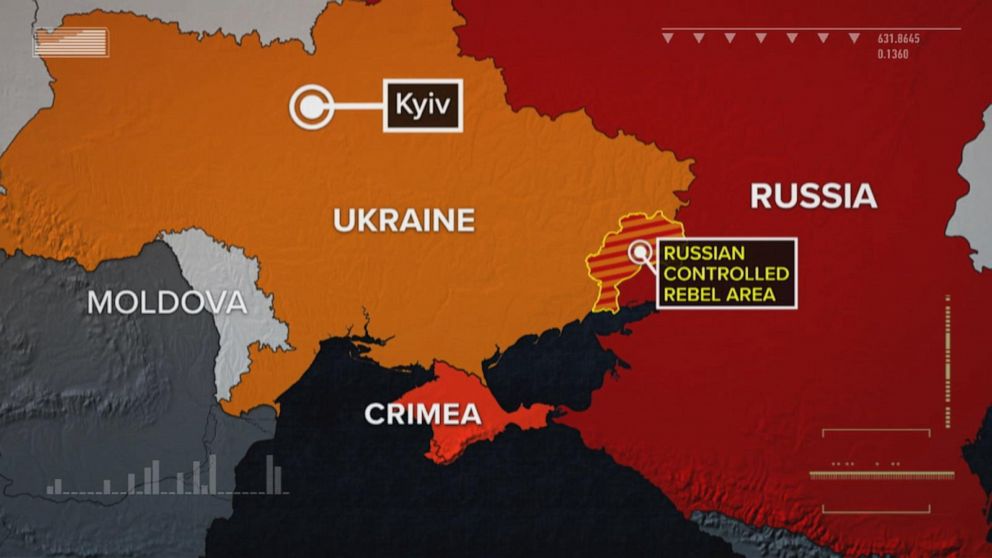
The ongoing conflict between Ukraine and Russia continues to intensify as reports of fierce fighting and territorial shifts surface from the frontlines in Eastern Ukraine. Over the weekend, Ukrainian forces successfully retook the strategic settlement of Nadiia in Luhansk Oblast, following a 30-hour military operation. The retaking of the town marks a significant victory for Ukrainian troops, but it also signals that the war, which has now entered its second year, shows no signs of slowing down.
The Battle for Luhansk and Donetsk
Nadiia, a village situated in the heavily contested Luhansk region, had been under Russian control for several months. Ukrainian officials stated that the operation was a coordinated effort involving ground forces, artillery, and air support. “This is an important strategic win for us. It weakens Russian defenses and opens up new routes for our forces,” said Oleksandr Kachinsky, a Ukrainian military spokesperson.
The Russian military, however, has vowed to retake the area and is reportedly reinforcing its positions with additional troops and heavy weaponry. Russian military officials have accused Ukraine of escalating the conflict with these territorial gains, calling the operation a provocation. “This is just another example of Ukraine’s reckless push to extend its territory. We will respond swiftly,” said a spokesperson for the Russian Ministry of Defense.
Casualties Mount as Civilians Bear the Brunt
As the military confrontations drag on, the civilian population continues to suffer the most. In the past 72 hours, there have been reports of dozens of civilian casualties on both sides of the conflict. In Luhansk, local hospitals are overwhelmed with the injured, and rescue teams have been working around the clock to evacuate those trapped in bombed-out buildings. The United Nations has called for immediate humanitarian access to these regions, citing growing concerns over the safety of civilians in war zones.
“We are witnessing a tragic situation in the east. Civilians are caught in the crossfire, and it’s becoming increasingly difficult to deliver humanitarian aid to those who need it most,” said Louise Annan, a spokesperson for the UN Office for the Coordination of Humanitarian Affairs (OCHA). “The international community must take swift action to ensure humanitarian corridors are established.”
International Reactions and Sanctions
The escalation in eastern Ukraine has prompted renewed international concern, with world leaders calling for de-escalation and the protection of civilian life. The European Union, along with the United States, has condemned Russia’s ongoing military actions, announcing new sanctions targeting Russian oil and gas exports. The sanctions, expected to take effect in early April, aim to cripple Russia’s economic stability and limit its ability to fund the war.
U.S. President Joe Biden reiterated his administration’s commitment to supporting Ukraine, announcing a new $1.5 billion military aid package, which includes advanced air defense systems, drones, and armored vehicles. “We stand with the people of Ukraine. Their fight is our fight, and we will continue to provide the tools they need to defend their sovereignty,” Biden said in a statement.
In response, Russia has vowed to retaliate against Western nations by cutting off key energy supplies to Europe, warning that the European continent will face severe shortages if these sanctions remain in place.
The Path Ahead: Uncertain and Dangerous
As the military dynamics continue to shift, the larger question of how long the conflict will last remains unanswered. Ukrainian President Volodymyr Zelenskyy has expressed optimism, stating that Ukrainian forces will continue to fight until they reclaim all occupied territories. “Our nation is resilient. Every inch of Ukrainian land is worth fighting for, and we will not rest until we see our borders secure,” he said in a televised address to the nation.
However, analysts warn that the war could drag on for months, if not years. The Russian military’s ability to bolster its defenses, combined with ongoing Western support for Ukraine, suggests that the fighting may become even more entrenched in the coming weeks. Some experts predict that the conflict could further destabilize the region, potentially drawing in additional countries and exacerbating the already fragile global security environment.
A Stalemate Looms?
As both sides dig in for what appears to be a protracted conflict, the world watches with bated breath. The escalation in Luhansk serves as a reminder that despite international pressure, the war remains a destructive force, reshaping the lives of millions in both Ukraine and Russia.
While Ukrainian forces have made significant gains in some regions, the ability of both sides to sustain the war effort amid rising casualties and economic strain will be a critical factor in determining the course of this devastating conflict.
For now, the people of Ukraine continue to endure the toll of war, holding onto hope that international support, military resilience, and the strength of their spirit will eventually lead them to victory.

