

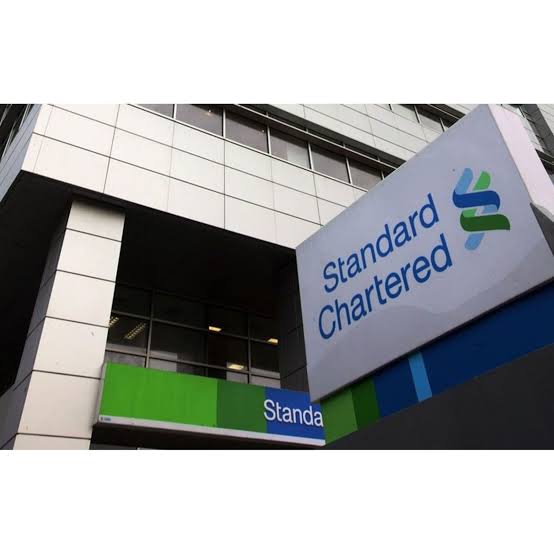
In a significant move, Standard Chartered Bank (SCB) has announced its decision to exit the Wealth and Retail Business (WRB) sector in Uganda. The bank will transition its focus exclusively to Corporate & Investment Banking (CIB) over the next 18–24 months. This decision underscores a strategic realignment aimed at optimizing operations in markets where the bank can leverage scale and expertise. While the move marks the end of an era for SCB’s retail customers in Uganda, the bank emphasizes that day-to-day services will remain unaffected during the transition.
Why is Standard Chartered Exiting Uganda’s Retail Market?
- Lack of Scale in Retail Operations
The primary reason cited by SCB is the inability to achieve sufficient scale in Uganda’s retail and wealth management sectors. Despite its global reputation, the bank’s retail operations in Uganda likely struggled to compete with local banks and fintechs that dominate the market. Smaller customer bases, high operational costs, and the challenge of tailoring products for a competitive landscape made it difficult to deliver “best-in-class” services profitably. - Strategic Focus on Corporate & Investment Banking
SCB’s global strategy prioritizes markets and sectors where it holds a competitive edge. Corporate banking—serving multinational corporations, financial institutions, and large Ugandan enterprises—aligns with the bank’s strengths in cross-border transactions, trade finance, and risk management. By reallocating resources to CIB, SCB aims to deepen its impact in sectors like infrastructure, energy, and agriculture, which are pivotal to Uganda’s economy. - Global Trends in Banking Consolidation
The decision mirrors a broader trend among international banks to streamline operations. Institutions like Barclays and HSBC have similarly exited retail markets in Africa to focus on high-margin segments. For SCB, this reflects a pragmatic shift toward sustainability and profitability.
The Transition Plan: What Happens Next?
SCB has outlined a phased exit spanning 18–24 months to ensure minimal disruption:
- Customer Assurance: The bank assures retail clients that accounts, loans, and services will operate normally until the transition concludes. Customers will be notified well in advance of any changes.
- Business Sale or Wind-Down: SCB is likely seeking a buyer for its WRB portfolio. If successful, customer accounts may transfer to the acquiring bank. Otherwise, accounts could be gradually closed.
- Employee Impact: While layoffs are possible, staff may be retained if a buyer takes over operations. Affected employees could also be redeployed within SCB’s CIB division.
Repercussions of the Exit
- For Retail Customers
- Service Disruption Risks: Long-term clients may face inconvenience in switching banks, particularly if digital platforms or product offerings differ.
- Reduced Competition: SCB’s exit could temporarily limit options for premium wealth management services, though local banks and fintechs like Equity Bank or MTN Mobile Money may fill the gap.
- For Employees and the Job Market
- Uncertainty looms for WRB staff, though skilled workers may find opportunities in Uganda’s growing fintech sector or with the potential buyer of SCB’s portfolio.
- For Uganda’s Banking Sector
- Local Banks Gain Momentum: Institutions like Stanbic Bank or Centenary Bank could absorb SCB’s retail customers, strengthening their market share.
- Foreign Bank Sentiment: SCB’s partial exit may raise questions about the viability of Uganda’s retail sector for international players. However, its continued CIB presence signals confidence in Uganda’s corporate growth potential.
- For SCB’s Reputation
- The move could enhance SCB’s profitability narrative but risks alienating retail loyalists. Transparent communication during the transition will be critical.
The Future of Standard Chartered in Uganda
SCB’s renewed focus on CIB positions it to capitalize on Uganda’s economic ambitions, including oil exploration projects and regional trade integration. The bank’s expertise in financing large-scale infrastructure and facilitating foreign investment could make it a key partner in Uganda’s development.
Conclusion
Standard Chartered’s exit from Uganda’s retail banking scene highlights the harsh realities of competition and scalability in the financial sector. While the move aligns with global trends favoring specialization, it underscores the challenges foreign banks face in fragmented African markets. For Uganda, the transition offers local players a chance to innovate and expand. Meanwhile, SCB’s fortified focus on corporate banking could strengthen its role as a catalyst for Uganda’s macroeconomic growth.
As the 24-month transition unfolds, stakeholders will watch closely to see how seamlessly SCB executes its exit—and how Uganda’s banking landscape adapts to the new normal.

