

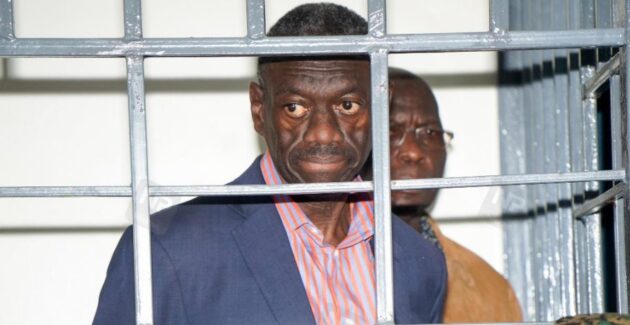
The arrest of Ugandan opposition leader Dr. Kizza Besigye has triggered widespread criticism, highlighting issues of political freedoms and transnational human rights in East Africa. Besigye, a longtime critic of President Yoweri Museveni’s government, was apprehended on November 16, 2024, while attending a book launch in Nairobi, Kenya. His wife, Winnie Byanyima, Executive Director of UNAIDS, revealed that he was forcibly transferred to Uganda and detained in a military facility in Kampala. This development has sparked allegations of illegal abduction and violations of international law.
The charges against Besigye include illegal possession of firearms and accusations of soliciting support for destabilizing Uganda. These purportedly stem from incidents in Kenya, Greece, and Switzerland over the past year. Besigye’s legal representatives and supporters have dismissed the charges as politically motivated, asserting that his detention in a military prison contravenes legal norms as he is a civilian. Rights groups, including the Pan-African Opposition Leaders Solidarity Network, have condemned the arrest, calling it an affront to sovereignty and democratic principles.
Kenyan authorities have denied involvement in the operation, despite accusations of collaboration with Ugandan security agencies. The U.S. government has expressed concern, with Senator Jim Risch of the Senate Foreign Relations Committee labeling the actions as “transnational repression,” which undermines sovereignty and international law.
The incident has reignited debates about regional governance, judicial independence, and human rights in Africa. Domestically, the arrest underscores the precarious position of opposition figures in Uganda, a country where dissent is often met with state repression. Internationally, it raises critical questions about cross-border law enforcement and the protection of civil liberties.
As Dr. Besigye awaits a hearing on December 2, 2024, his case is being closely watched by domestic and global stakeholders. It stands as a test of Uganda’s adherence to legal standards and its commitment to upholding democratic values in the face of growing scrutiny.

